Service Dogs
SUMMIT CANINE SERVICE DOGS
CUSTOMIZED TRAINING
We gather all the information we need from you to customize your Service Dog to your needs and disabilities.
HEALTH GUARANTEED
Our Service Dogs come from responsible breeders who health guarantees their pups.
ADA REGULATED
Our Service Dog Training Program ensures that our Service Dogs meet ADA regulations.
About Our Service Dogs
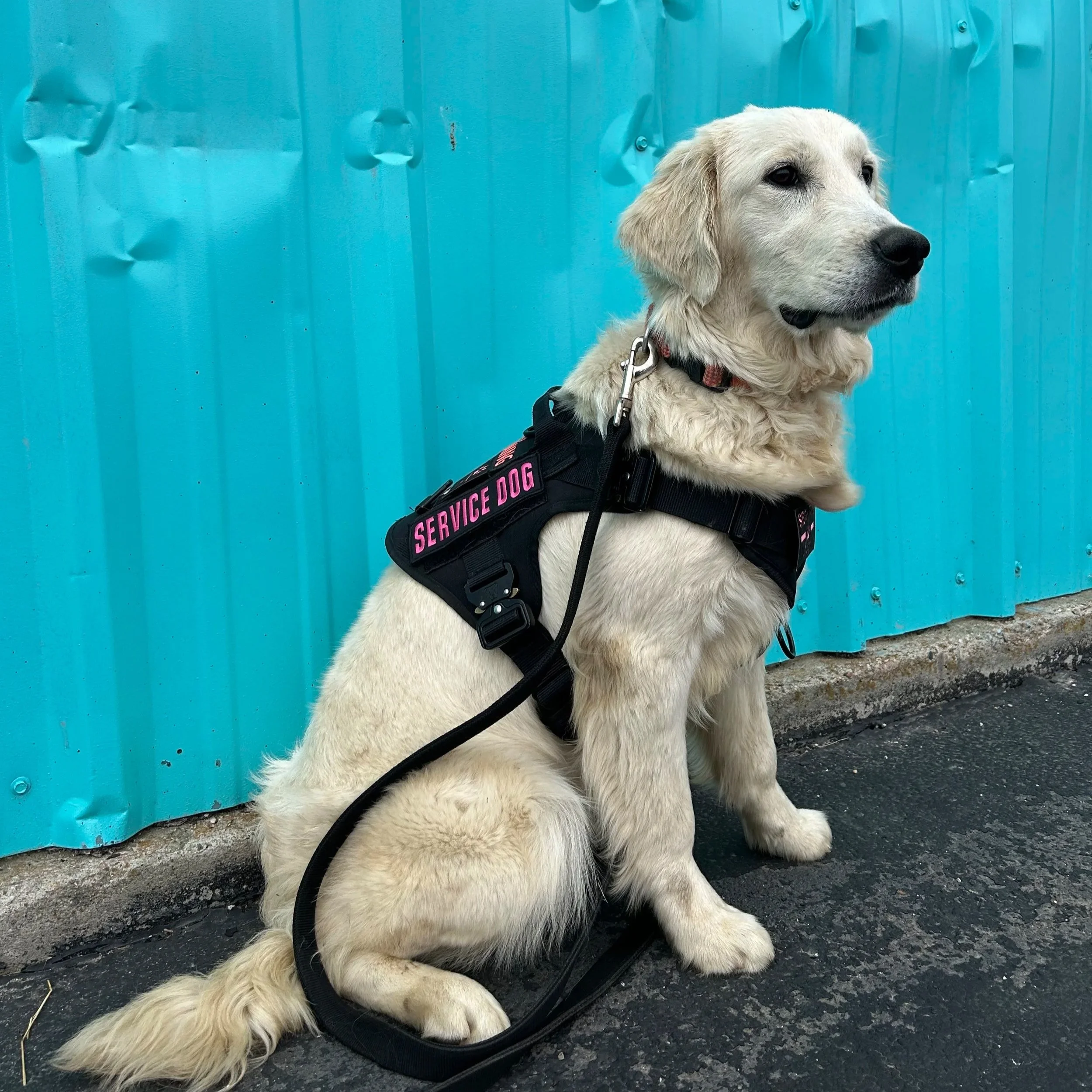
Here at Summit Canine Training, we understand the hardships of disabilities and how a service dog can help relieve those hardships. Summit Canine Training gets to know you personally to ensure we pick the right Service Dog for your lifestyle and needs. We help guide you in the right direction to choose the best breed and temperament for the tasks that you need your Service Canine to provide.
-
Autism Assistance
-
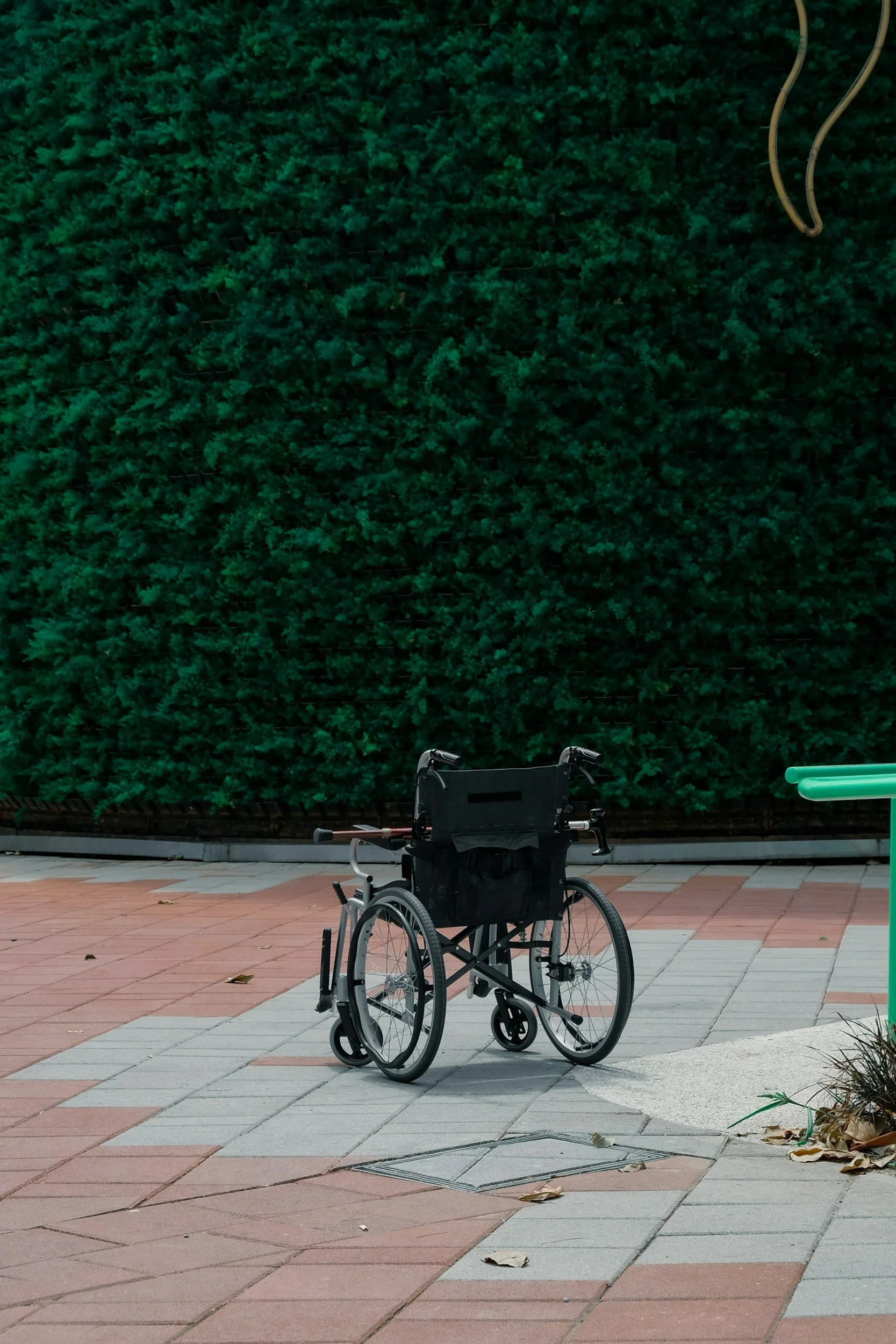
Mobility Dogs
-
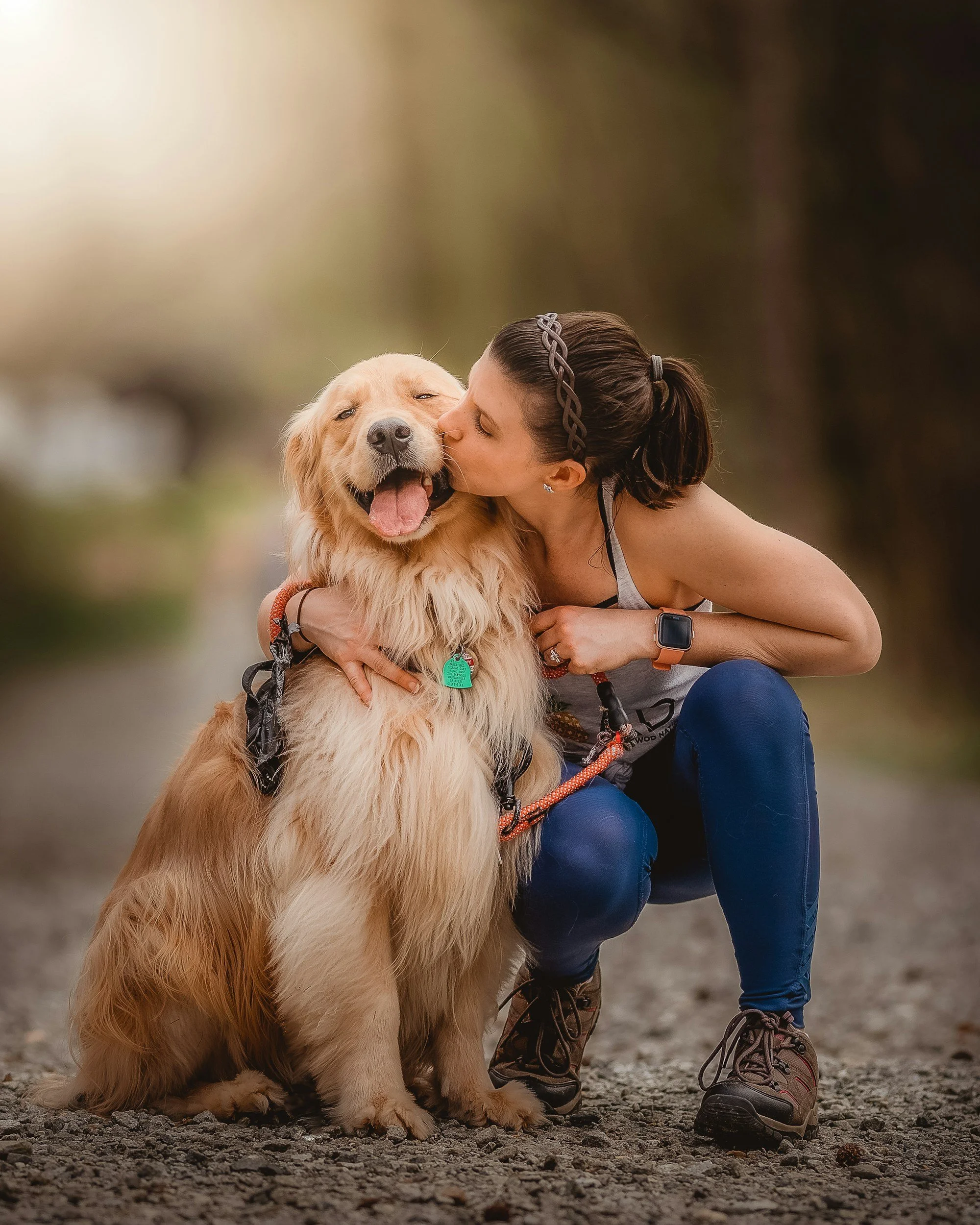
Stability Dogs
-
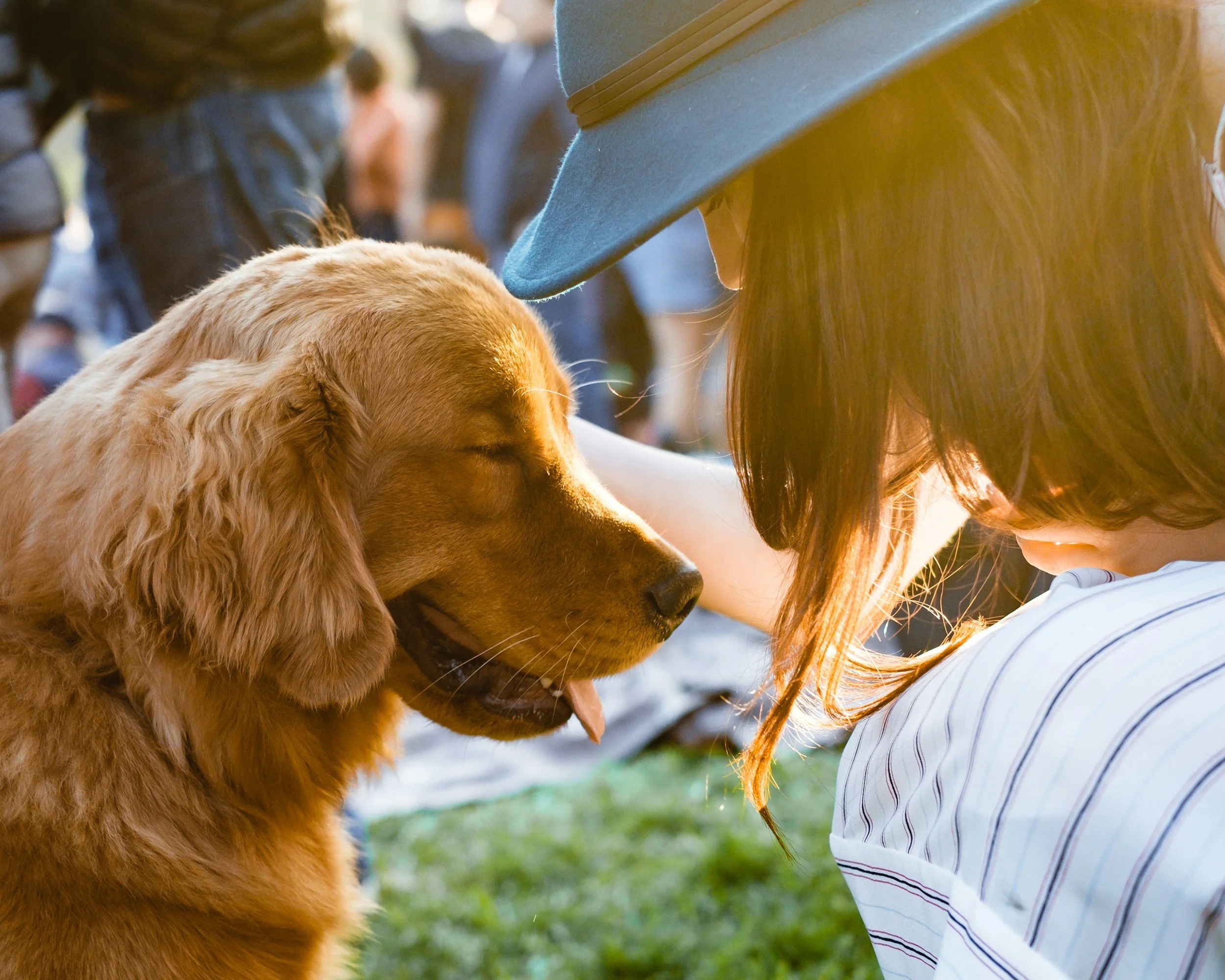
Seizure Alert
-
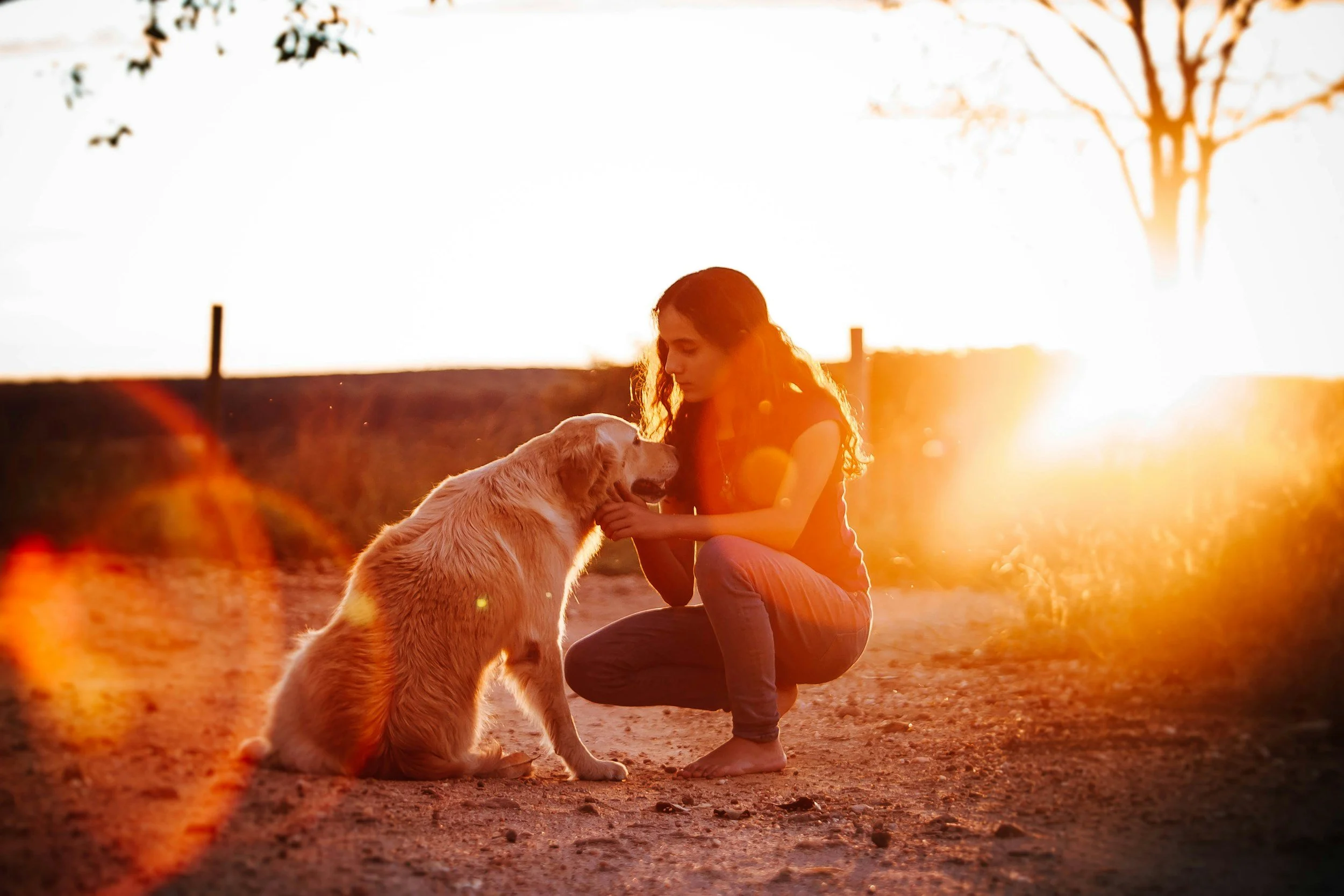
PTSD
-
Other
GET A SERVICE DOG FROM OUR LINES!
Temperament Testing
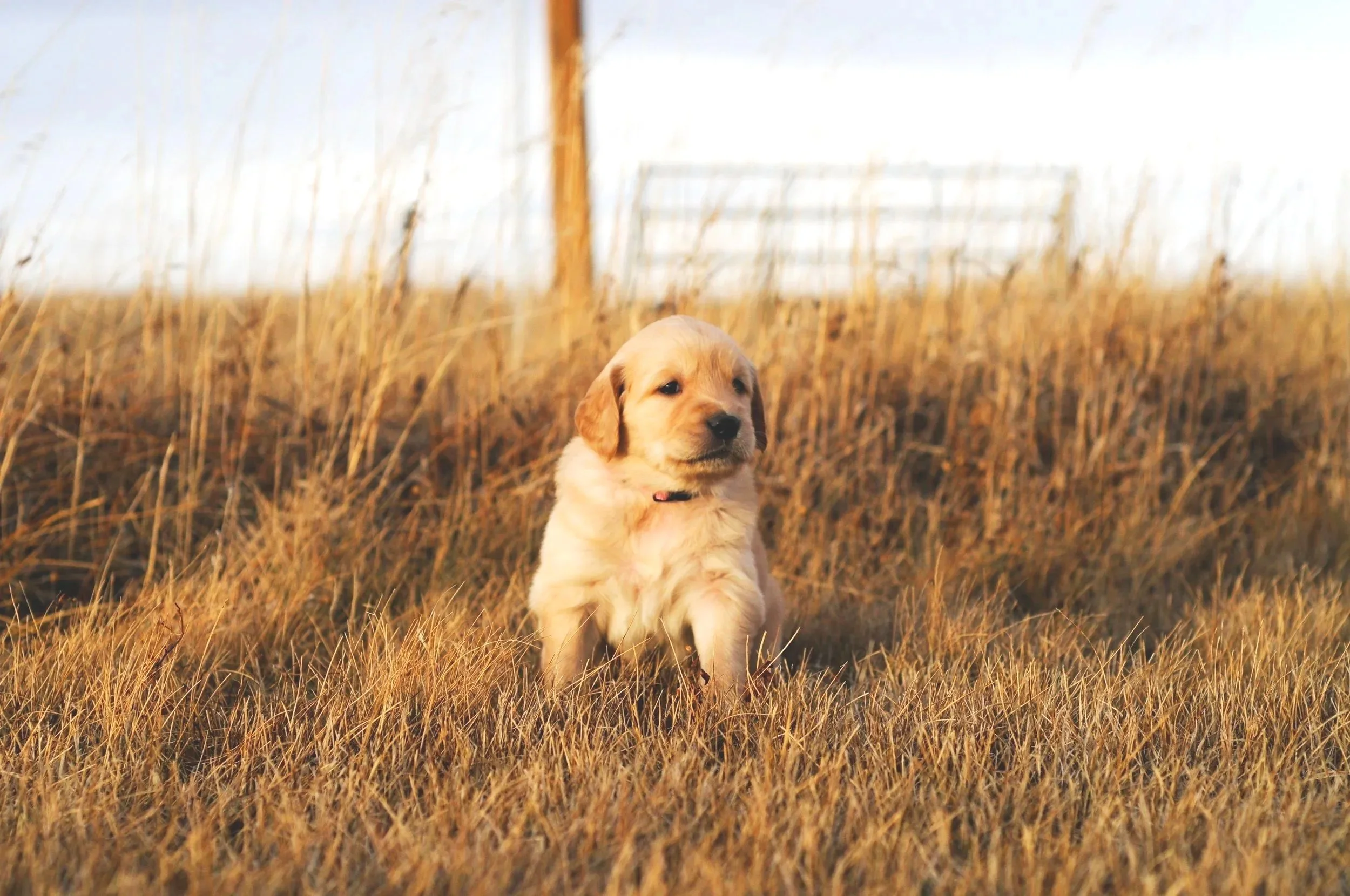
When you get a Service Dog from our lines, we can better temperament test the puppies for the job of service work. As well as line up specialized Breedings pairs specifically geared toward this work. This makes the hunt for your future service dog cleaner and more reliable as we know exactly what dog to pick for the best possible service dog for what tasks you need it for.
Health Guaranteed
When you get a Service Dog from our lines, we can ensure your dog will be perfectly healthy. Health is crucial not only for the well-being and longevity of the animal but also for the safety and quality of life of their handers. A healthy service dog is better equipped to perform tasks that assist individuals with disabilities, ensuring that they can lead more independent lives.
Is my dog a candidate for service work?
Are you wondering if Summit Canine Training can train your dog for service work? There are a few things to consider.
What to Condsider
-
Health
Your dog's health is essential to service dog work. If your dog has underlying health conditions, chronic pain, or physical limitations, they may not be the best fit for certain types of service work. A service dog must be physically capable of performing their assigned tasks without compromising their own health or well-being. Veterinary evaluations and appropriate health testing can help determine whether your dog is suited for the job.
-
Age
Age is a vital factor in service dog training. Younger dogs require time to develop physically and mentally, while older dogs may have established habits or missed important early socialization experiences. However, age alone does not determine a dog's suitability. Each dog should be evaluated individually based on their health, temperament, previous experiences, and ability to learn.
-
Breed & Size
Breed and size play an important role in determining a dog's suitability for service work. Larger dogs may be better suited for certain retrieval or mobility-related tasks, while smaller dogs may excel at medical alert, response, or other tasks where a compact size is beneficial.
Different breeds and breeding lines also have characteristics that can make them better suited for particular types of work. While dogs of many breeds can learn service tasks, not every breed will excel in every working role. At Summit Canine Training, we focus on breeds and individual dogs with the physical capabilities, temperament, and working traits needed to give them the best opportunity to succeed.
-
Temperament
Temperament is one of the most important factors in service dog work. A service dog must be able to handle unfamiliar environments, unexpected noises, strangers, other dogs, and everyday distractions while remaining safe and manageable. Confidence, emotional stability, appropriate sociability, resilience, and the ability to recover from stressful situations all contribute to a dog's potential for service work.
-
Energy Level
A service dog needs an appropriate balance between working ability and relaxation. Dogs that are energetic or driven can still make excellent candidates if they can settle when needed. We evaluate whether the dog can remain calm during appointments, meals, travel, and other situations where they may need to lie quietly beside their handler for extended periods.
-
Social Behavior
A service dog must be able to remain composed around unfamiliar people and other animals. They do not need to greet everyone or enjoy interacting with every dog. In fact, calm neutrality is often more beneficial than excessive excitement or attention-seeking. We evaluate how a dog responds to strangers, children when appropriate, other dogs, and unexpected social interactions.
-
Environmentals
Service dogs encounter many unfamiliar sights, sounds, surfaces, and situations. Automatic doors, elevators, traffic, dropped objects, crowded spaces, and sudden noises can all be part of their working environment. A suitable candidate should be able to investigate unfamiliar situations, recover from unexpected experiences, and return their attention to their handler without experiencing prolonged distress.
-
Trainability
A service dog must be able to learn new behaviors, retain information, and apply trained skills in different environments. We consider the dog's ability to focus, problem-solve, respond to feedback, and work through challenges. A dog may have excellent obedience at home but still need to learn how to perform reliably around public distractions.
-
Your Needs & Tasks
The most important consideration is whether your dog is suited to the specific tasks you need. Think about your daily routine, the environments you visit, and the assistance you require. A dog's physical abilities, temperament, and training potential must align with those needs.
-
Seperation
During training, your dog may spend an extended period in our care at our kennel so we can provide the hands-on training and structured environment needed to develop reliable service skills. Dogs must also be able to adjust to changes in routine, develop independence, and build a strong working relationship with their future handler. We consider how well each dog handles transitions, separation from familiar people, and the eventual transfer of training to their handler.
Service Dog Transition
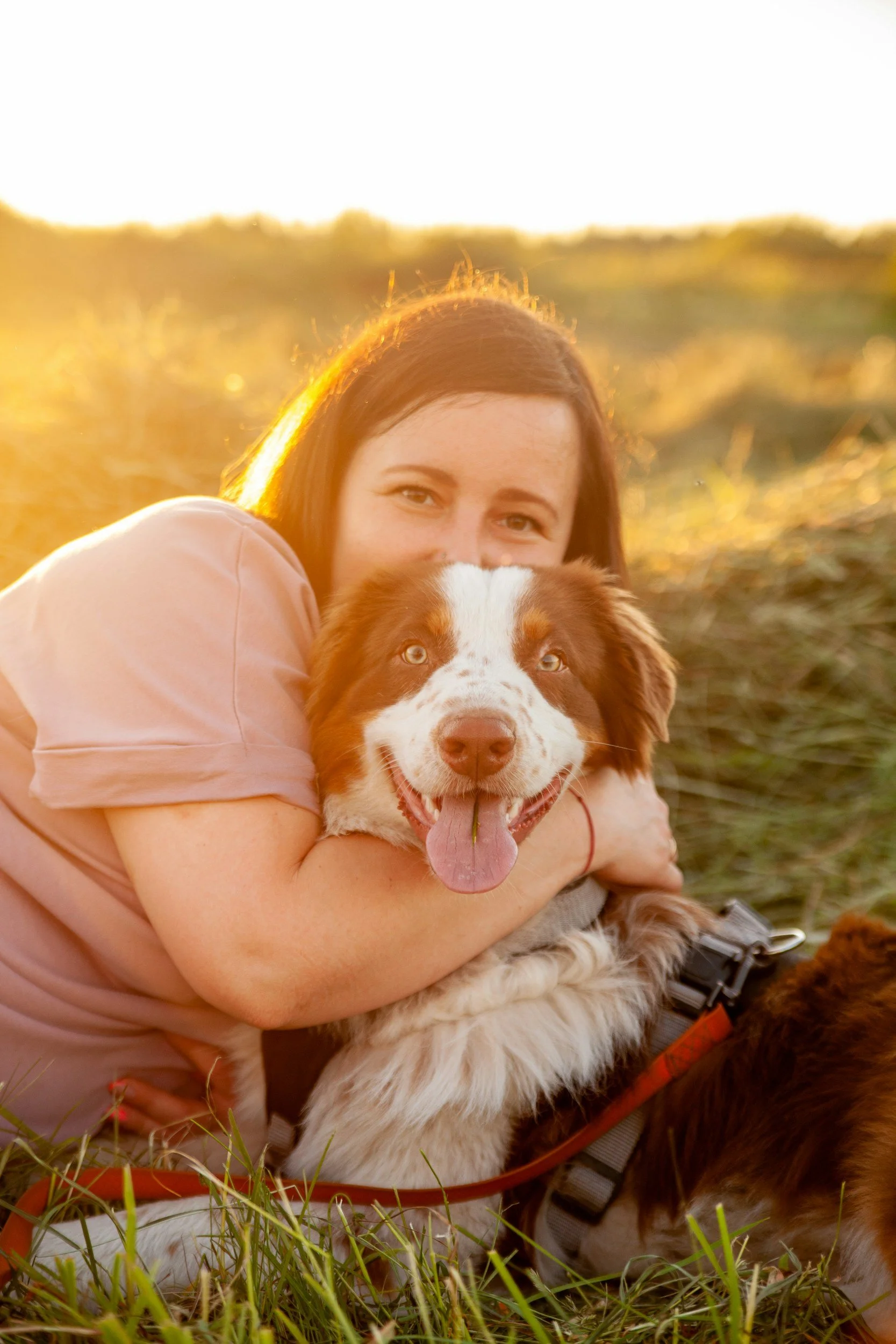
Summit Canine Training does an in-home transition so that we can educate the disabled individual and or handler on how to adjust the service dog into their everyday lives. We also help educate you and the community on the rights you and your service dog are protected by.